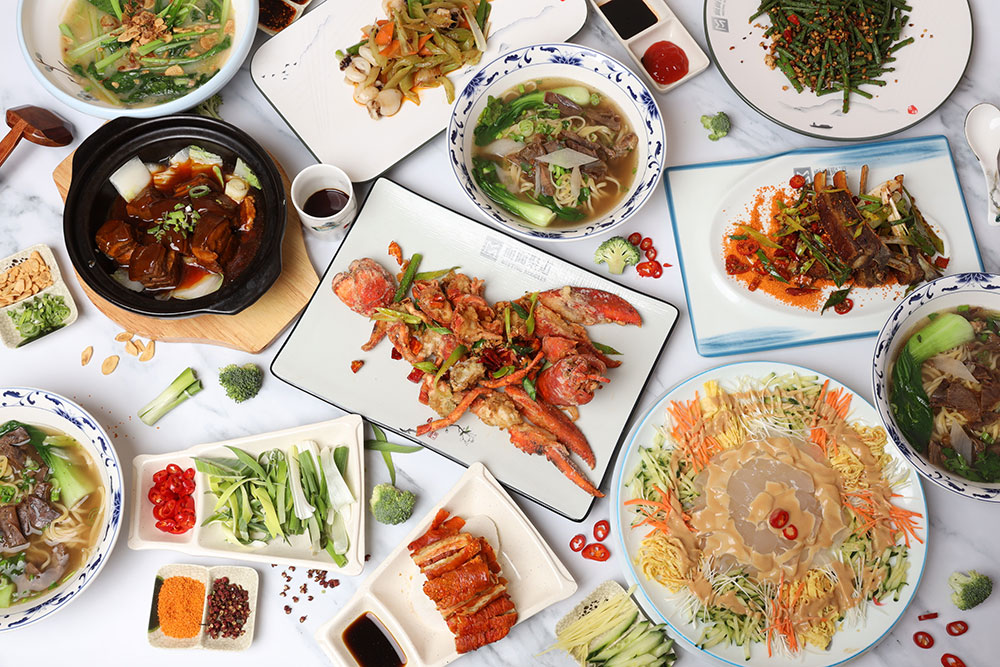
Chinese food has an unfair reputation abroad, largely earned by deep-fried takeaway versions of dishes that are not fried in China at all. The actual repertoire contains some of the lightest cooking anywhere.
Steaming does most of the work
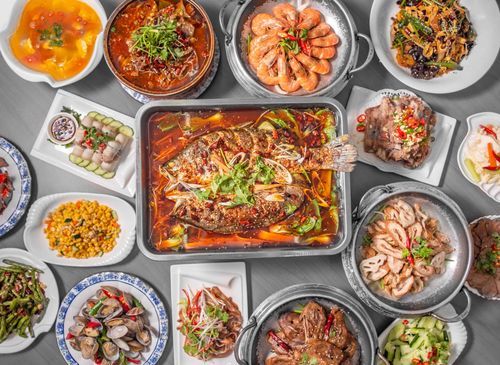
Cantonese cooking leans heavily on steaming, which adds no fat at all. Steamed Whole Fish at Rs. 1,230 is finished with a spoon of hot oil and nothing else. Steamed Egg with Pork Meat at Rs. 840 is a savoury custard. Steamed momo at Rs. 225 are cooked in a basket, not a fryer.
Look for "boiled" and "braised" too
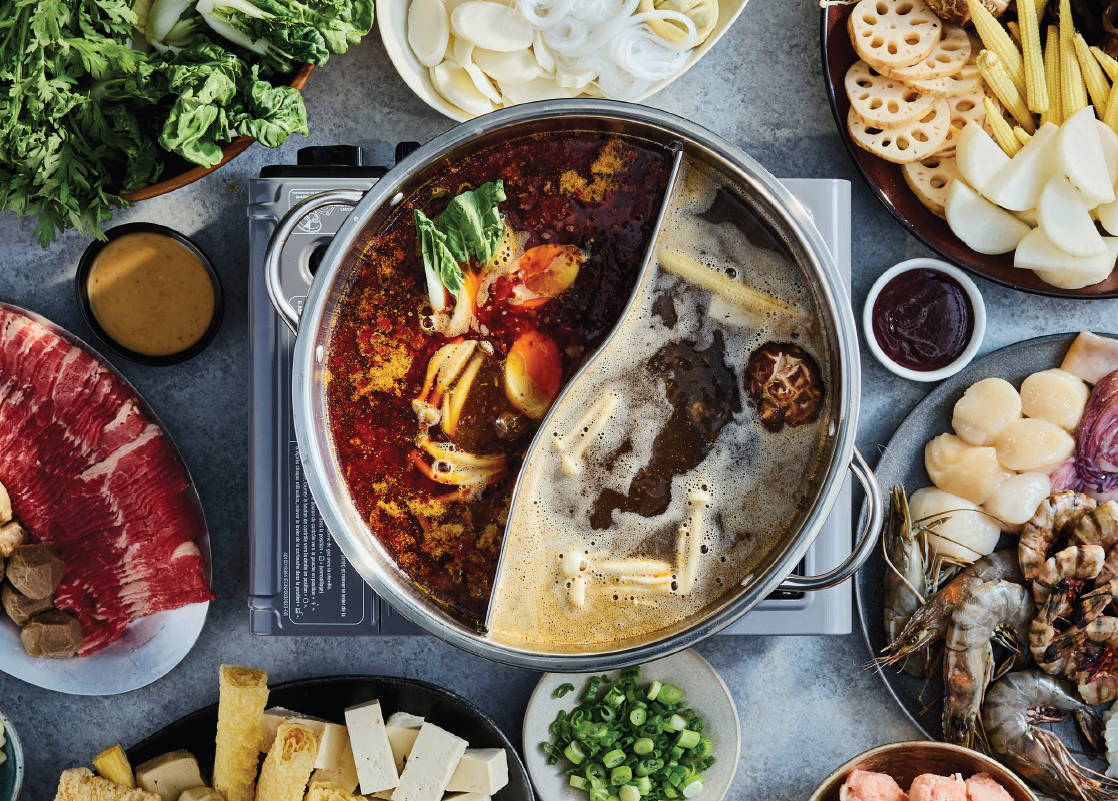
Boiled Chicken Sichuan Style at Rs. 950 is poached, then dressed in chilli oil — the chilli is a dressing, not a cooking medium. Braised dishes cook slowly in liquid: Braised Eggplant at Rs. 530, Braised Chicken at Rs. 920.
Vegetables are a section, not a garnish
Our menu has 29 vegetable mains and 19 vegetable snacks. Greens are typically flash-cooked with garlic and very little else: Water Spinach at Rs. 330, Broccoli in Oyster Sauce at Rs. 499, Seasonal Vegetables at Rs. 399. Dry-Fried Green Beans at Rs. 400 use heat rather than batter for their texture.
The cold-starter list is worth reading as well — Garlic Cucumber at Rs. 380, Three Vegetable Shreds at Rs. 340, Tomato with Sugar at Rs. 280. All are served cold and none are fried.
Soup first, the Chinese way
Soups are ordered to share, not as a separate course. A small bowl runs from Rs. 210. Vermicelli Soup with pickled vegetables at Rs. 245 or Egg Soup with Laver at Rs. 235 fill a table without weighing it down.
What to go easy on
The deep-fried section is honest about itself: sweet and sour dishes, spring rolls, fried prawn and the crispy whole fish are battered and fried. They are excellent, and they are what they are — order one for the table rather than three.
Building a lighter table
For four people: one steamed fish, one boiled or braised meat, two vegetables, a small soup and rice. Nothing on that table is fried, and it is a full meal.
Tell your server if you want less oil or less salt — the kitchen adjusts on request.